Residential Drain Cleaning Advice for Preventing Basement Drain Problems
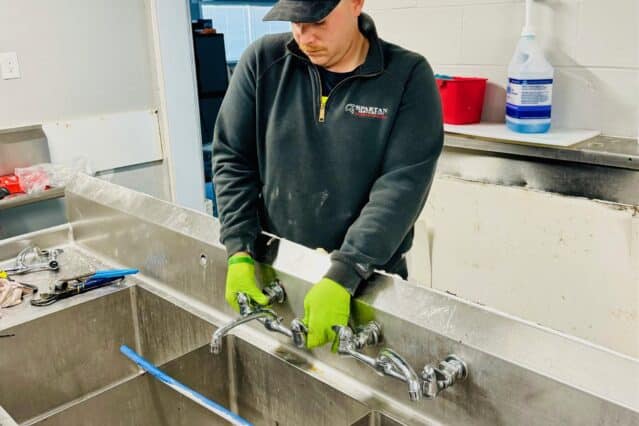

Basement drain problems rarely begin with a dramatic flood. More often, they start quietly. A floor drain gurgles when the washing machine empties. A damp ring appears around a cleanout cap. There is a sour smell near the utility sink that comes and goes with the weather. Homeowners tend to live with those early signs because the basement still seems usable, and because drain systems are easy to forget until they stop working.
That is usually when a small maintenance issue turns into a cleanup job.
Residential drain cleaning is not just about clearing a clog after water is already on the floor. Done properly, it is preventive work. It keeps wastewater moving at the right speed, reduces buildup inside the pipe, and gives you a chance to catch structural or drainage issues before they damage flooring, drywall, stored belongings, or mechanical equipment. In homes with finished basements, one backup can undo years of improvements in a single afternoon.
The challenge is that basement drains are connected to a part of the plumbing system that handles some of the dirtiest, heaviest flows in the house. Laundry discharge carries lint, detergent residue, and, in some homes, sand or grit from work clothes. Utility sinks collect paint water, mop debris, pet hair, and the sort of rinse-off material that never belongs in a kitchen sink. Floor drains sit low, where sediment settles and where problems elsewhere in the line often show up first. If a house also has an older cast iron sewer line, tree roots nearby, or poor exterior drainage, the basement becomes the pressure point.
Good prevention comes from understanding how these drains fail, then matching maintenance to the age of the home, the type of piping, and the way the basement is actually used.
Why basement drains back up more often than people expect
A basement floor drain looks simple, but the conditions around it are not. Gravity works against low fixtures because they are closest to the main building drain and often the first place wastewater resurfaces when there is resistance downstream. If the main line slows because of grease, roots, offset pipe joints, or accumulated scale, upper fixtures may seem to drain normally for a while. The basement drain, meanwhile, takes the pressure.
I have seen this pattern in houses where owners swore the problem began overnight. After a camera inspection, the line was often partially blocked for months. The laundry drained, the upstairs shower drained, the kitchen sink drained. Everything still moved, just not freely. Then a heavy wash cycle, a family gathering, or a hard rain was enough to reveal what had been building inside the pipe.
Basements also collect the byproducts of deferred maintenance. A homeowner might be careful with the kitchen sink but think nothing of rinsing muddy boots in a utility tub. Another may switch to heavy-duty laundry pods and run back-to-back loads in an older home with a narrow branch line. Neither choice seems severe on its own. Over time, both contribute to residue, lint accumulation, and sluggish flow.
Then there is the confusion between plumbing backups and water intrusion. Not every wet basement points to a clogged drain, but many people misread the source. A backed-up floor drain often leaves dirty water, odor, or fine debris around the opening. Groundwater seepage usually appears along wall joints or cracks. Exterior grading problems may push water in after storms. The distinction matters because cleaning a drain will not fix hydrostatic pressure, and waterproofing a wall will not clear a sewer line.
The buildup you do not see is usually the real issue
Most drain problems are not caused by one dramatic obstruction. They are caused by layers.
Inside residential pipes, especially in older systems, rough interior surfaces catch material. Soap residue binds with minerals. Lint snags on small imperfections. Organic sludge forms where water moves slowly. In cast iron lines, internal scaling reduces the effective diameter until the pipe can no longer handle peak flow. In some plastic lines, a low spot in the run allows solids to settle instead of wash through. Every future discharge adds another thin coat.
That is why a basement drain can seem functional even while the pipe is already compromised. A gallon of sink water may get through. Twenty gallons from a washer discharge can expose the restriction immediately.
This is also why chemical drain cleaners are such a poor strategy for prevention. They are marketed as a quick fix, but they do not remove heavy sediment, root intrusion, or mineral scale. In many cases, they create a narrow channel through the blockage rather than restoring the full pipe diameter. They can also sit in the trap or line if the clog is significant, creating a safety issue for whoever opens or services the drain later. For older metal piping, repeated chemical use may accelerate deterioration rather than help it.
Mechanical cleaning methods, by contrast, physically remove material. A professional cable machine can break up many obstructions. Hydro jetting, when appropriate for the pipe condition, can https://juliusjcdn496.tearosediner.net/how-residential-drain-cleaning-helps-protect-your-foundation scour residue from the interior walls. Hand cleaning of accessible traps and catch areas can remove the kind of compacted muck that no poured product will ever dissolve well. Preventive residential drain cleaning works best when it is based on what is actually in the line, not on generic solutions poured from a bottle.
Warning signs that deserve attention early
Homeowners often wait for standing water before they call someone. That is understandable, but it is expensive thinking. Basement drainage issues almost always leave smaller clues first.
Here are the signs worth taking seriously:
- Gurgling sounds from a floor drain, utility sink, or nearby toilet when the washing machine or another fixture drains
- Slow drainage in the basement, especially if upper-level fixtures seem normal
- Sewer or mildew odors near drain openings, even when the basement looks dry
- Water or residue appearing around a floor drain after large water uses
- Repeated need to plunge, snake, or flush the same basement fixture
One of the more telling situations is when the utility sink backs up briefly, then drains away after a minute or two. People often take that as proof that the clog cleared itself. It usually means the line is restricted but not fully blocked. The water rose until pressure forced enough flow through the obstruction to lower the level again. That is not a cure. It is a warning.
Another sign homeowners miss is the basement drain that never seems to smell quite right. Floor drains have traps, and those traps are supposed to hold water to block sewer gas. If the trap dries out, odor can enter the basement. If the trap remains wet but still smells foul, there may be organic buildup in the trap body or a larger issue deeper in the branch line. Both are worth checking. Odor is often the first symptom people notice in houses where the basement is used less frequently.
The drains that need the most protection
Not all basement drains face the same risks. A floor drain in a mechanical room has different demands than a utility sink in an active workshop.
Laundry drains are high on the list because modern washing machines discharge quickly. That surge can expose a partially clogged line fast. Lint is a bigger problem than many homeowners realize, especially where there is no effective lint interceptor and where people wash pet bedding, heavily soiled workwear, or mop heads. Even in homes with municipal sewer service and newer pipes, laundry lines can build residue over time.
Utility sinks are close behind. They get used for the wrong things because they feel rugged. Paint washout, plaster residue, grout water, greasy tools, and muddy rinse water all seem harmless when diluted, but solids settle in traps and branch lines. Fine sediment is especially troublesome because it compacts. Once it dries and re-wets repeatedly, it behaves more like packed material than ordinary sludge.
Basement bathrooms can be deceptive. Because they are sometimes used less often, a problem can grow slowly without drawing much attention. Then guests use the shower and toilet over a weekend, and the system cannot keep up. In houses with ejector pits or sewage pumps, preventive maintenance matters even more because a line restriction can coincide with mechanical failure. When both happen together, the cleanup is rarely minor.
Floor drains deserve special mention because they are both a receptor and an early-warning point. If your floor drain receives water from a water heater pan, furnace condensate, dehumidifier, or softener discharge, it is part of daily operation, not just emergency overflow protection. That means it needs to stay open and clean. If it is mostly unused, the trap still needs occasional water to maintain a seal.
What homeowners can do safely, and what they should not
There is practical maintenance a homeowner can handle, and there are points where a professional should take over. The skill is knowing the difference.
A sensible first step is always observation. If the basement floor drain gurgles during laundry discharge, note whether it happens every time or only during heavy use. If a utility sink drains slowly, remove and clean the stopper assembly if present, then inspect the visible trap if it is accessible and safe to disassemble. If an infrequently used floor drain smells, pouring in enough clean water to refill the trap may solve the immediate odor issue. In some cases, a small amount of mineral oil on top of the water can slow evaporation in a rarely used drain.
Basic housekeeping matters more than people think. Keeping debris off the basement floor reduces what gets washed into a drain during cleaning. Using a strainer in a utility sink prevents hair, lint, and solids from entering the line. Being disciplined about what never goes down the drain is one of the cheapest forms of residential drain cleaning, because material kept out of the system never has to be removed later.
What homeowners should avoid is forcing the issue blindly. Aggressive use of a hand auger in the wrong drain can damage old piping or create a tangled blockage. Mixing chemical cleaners is unsafe and often ineffective. Running repeated high-pressure water into a slow drain without understanding where the water is going can trigger an overflow elsewhere. If more than one fixture is involved, or if sewage appears at a floor drain, the problem has likely moved beyond a simple local clog.
I remember a call where a homeowner had spent a weekend trying every off-the-shelf product available because the basement floor drain was draining slowly. By Monday, the drain still backed up, the odor was worse, and the service technician had to work around chemical residue before even opening the line. The actual issue turned out to be root intrusion at the connection near the front yard. None of the chemicals reached it in any meaningful way, but they did add cost and risk.
When professional residential drain cleaning makes the difference
A good drain cleaning visit is not just a matter of running a cable until water disappears. That can restore flow temporarily while leaving the underlying condition in place. The better approach depends on what the pipe is made of, how old it is, where the clog sits, and whether the goal is emergency relief or long-term prevention.
For many basement drain problems, a professional starts by identifying whether the issue is isolated to one branch or involves the main building drain. That distinction matters because a utility sink trap blockage is a very different problem from a partially obstructed sewer line under the slab or yard. If the symptoms suggest a recurring or systemic issue, a camera inspection can provide context. It can reveal root intrusion, heavy scale, a sag in the line, offset joints, or a mass of compacted debris. Without that information, cleaning can become guesswork.
Hydro jetting is one of the most effective tools for preventive cleaning when the pipe condition supports it. Rather than just punching a hole through material, it can wash the interior walls more thoroughly, removing grease, soap residue, and fine buildup. That said, it is not ideal for every system. Fragile old piping, known breaks, or certain conditions in deteriorated lines may call for a gentler mechanical approach first. Judgment matters here. The best contractors do not prescribe the same method for every house.
Routine professional cleaning also makes sense in homes with a history of backups, mature trees near the sewer route, older cast iron or clay lines, or finished basements where the cost of one failure is high. In those homes, preventive service is easier to justify because the downside of waiting is so expensive.
Frequency depends on the house, not the calendar alone
People often ask how often drains should be cleaned, hoping for a universal rule. There is not one. A newer home with PVC piping, modest basement use, and no tree-root concerns may go years with nothing more than occasional trap maintenance and sensible habits. A 70-year-old house with cast iron branches, heavy laundry use, and a line that has rooted before may benefit from annual or biennial cleaning and periodic camera checks.
A practical maintenance rhythm looks like this:
- Monthly, glance at floor drains and utility sinks for odors, slow drainage, or residue
- Every few months, flush rarely used floor drains with water to keep trap seals intact
- Yearly, evaluate whether laundry, utility sink, or basement bath drains are slowing under normal use
- Every one to three years, consider professional residential drain cleaning if the home has a backup history or older piping
- Any time symptoms recur, move from observation to inspection rather than repeating temporary fixes
Experience changes the schedule. If a house has backed up twice in three years during heavy laundry days, that is already enough history to justify preventive cleaning before the next problem. If a camera shows root intrusion returning seasonally, a maintenance interval can be set around that pattern. The point is not to clean drains constantly. The point is to clean them before restriction becomes failure.
Exterior water management still affects interior drains
It may seem odd to discuss gutters and grading in a drain cleaning article, but basement drain performance is tied to overall water management more than many homeowners realize. During heavy rains, poor exterior drainage can increase the burden on foundation drains, sump systems, and in some neighborhoods even the municipal sewer network. If the basement is already vulnerable, a partially restricted drain line may fail under those stressed conditions sooner than it would in dry weather.
Homes with combined sewer risks or neighborhoods known for storm-related backups should pay close attention to whether their floor drains or lower fixtures have proper protection devices, where allowed and appropriate. A backwater valve, for example, can help prevent sewage from reversing into the house during downstream surcharging. It is not a substitute for cleaning a clogged line, but it can be an important layer of protection where local conditions warrant it.
Exterior maintenance also reduces the chance that sediment and organic matter get tracked into utility sinks and floor drains in the first place. Clean window wells, proper grading away from the foundation, and good gutter discharge all lower moisture stress around the basement. Fewer wet-floor episodes mean less temptation to wash dirt and debris into drains during cleanup.
Special considerations in older homes
Older homes deserve their own category because their drainage systems often have quirks that modern homeowners do not expect. Cast iron can develop rough internal scaling that catches debris. Clay laterals can admit roots through joints. Renovations done over decades may have introduced odd transitions, marginal slopes, or abandoned sections that were never fully removed. Even the location of cleanouts can be less convenient, which leads some owners to ignore early symptoms longer than they should.
In these houses, preventive residential drain cleaning should be paired with a realistic understanding of pipe life. Cleaning helps, sometimes dramatically, but it cannot reverse structural deterioration. If a camera inspection shows severe channel rot, repeated collapse, or persistent offsets, a discussion about repair or replacement may be more honest than another round of temporary relief.
That said, older homes are not doomed to chronic basement drain trouble. Many perform well for years with smart maintenance and timely intervention. The key is to stop treating each backup as an isolated event. Patterns tell the story. If the same drain slows every holiday season, if roots return every spring, or if laundry discharge always stresses the line, the house is giving you usable information.
The cost of prevention is usually lower than the cost of cleanup
Homeowners understandably weigh maintenance against expense. Professional cleaning is a line item, and emergency service plus restoration is a bigger one. When deciding whether to invest in prevention, it helps to compare real consequences. A routine cleaning or camera inspection may cost far less than replacing damaged baseboards, drywall, insulation, stored furniture, or a failed flooring system after a sewage backup. Add odor remediation and time lost to cleanup, and the economics become fairly clear.
There is also the quality-of-life factor. Basement drain problems tend to appear at the worst possible time, during storms, holidays, weekends, or just after a finished basement has finally become a family room, office, or guest suite. Preventive maintenance is less disruptive because it happens on your schedule, not the plumbing system’s.
The best outcomes usually come from combining habits, observation, and periodic professional help. Keep solids out of drains. Treat slowdowns and odors as early warnings, not annoyances to tolerate. Use professional residential drain cleaning strategically, especially in homes with older piping, backup history, or valuable finished space below grade.
Basement drains do not ask for much attention until the day they demand all of it. A little disciplined care beforehand is usually the difference between a service call and a major mess.
Spartan Plumbing Services
Address: 760 107th St S, Tacoma, WA 98444
Phone number: +12534998773
FAQ About Residential Drain Cleaning
How much does it cost to have someone clean your drains?
Professional drain cleaning costs between $147 and $352 on average, with most homeowners paying around $246. The final price is heavily determined by the type of drain affected, the clearing method needed, and your geographic location.
How much does it cost to clean a drain line?
Professional drain cleaning costs between $147 and $352 on average, with most standard residential jobs landing right around $246. However, your final bill can scale from $100 to over $800 depending entirely on which drain is clogged and the method required to clear it.
Is professional drain cleaning worth it?
Yes, professional drain cleaning is worth it because it clears deep buildup and prevents expensive plumbing emergencies.